Summary of the Verdict
On June 16, 2026, the Otsu District Court sentenced Yui Ichihashi, 29, a former sex-industry worker from Kitanagoya, Aichi Prefecture, to life in prison — the term prosecutors had sought — on charges including robbery-murder and abandoning a corpse. The verdict was reported by Yomiuri Telecasting (Yomiuri TV News), MBS News, and ABC News, among others.
According to the ruling and other accounts, the defendant conspired with a male accomplice, 47, and in January 2024 strangled an acquaintance — a man, then 55, who ran a real estate company in Ama, Aichi Prefecture — at his home using an extension cord and other items, killing him. She then used his cash card to withdraw about 4 million yen and dumped the body along the shore of Lake Biwa in Omihachiman, Shiga Prefecture.
The presiding judge called it "a crime that made light of human life, with extremely grave results," and said "the self-centered, profit-driven motive of host-club spending deserves severe condemnation." Even taking into account factors such as the defendant's limited life experience, the court found that "there are limits to leniency," and imposed the life sentence prosecutors had sought.
The Crime and the Motive
According to reports, the defendant was short of money to spend at host clubs and had repeatedly borrowed from the male acquaintance, a man of means. His demand for repayment is said to have been the trigger for planning the robbery. In their closing argument, prosecutors said she "decided to steal money from a wealthy person because she was short of cash to spend at host clubs," describing it as "a brutal and persistent crime that was self-centered and profit-driven."
The sentencing hearing was held at the Otsu District Court on June 11, 2026, where prosecutors sought life imprisonment, calling the act "persistent and cruel." The defense, citing factors such as the defendant ultimately admitting her conduct and showing remorse, argued that a 20-year prison term was appropriate so as "to leave open a path to rehabilitation."
Accounts differ across outlets regarding the defendant's relationship with the alleged accomplice, the division of roles, and the amount of her debt, and this article refrains from drawing firm conclusions on those points.
Key Points in the Sentencing Debate
The arguments of the prosecution and defense, as conveyed by various outlets, can be summarized as follows.
- Prosecution: A premeditated crime for financial gain — brutal and persistent, involving strangulation and the dumping of the body in a lake. The motive was self-centered and profit-driven; life imprisonment is appropriate.
- Defense: The defendant ultimately admitted guilt and showed remorse; given her age and limited life experience, a 20-year term leaving room for rehabilitation is appropriate.
- The court's finding: Weighing heavily the gravity of the outcome and the blameworthiness of the motive, the court imposed the life sentence sought even after considering mitigating circumstances.
The case was heard under the lay-judge (saiban-in) system, and the ruling is seen as reflecting the public's sense of appropriate sentencing as well. Whether the defense will appeal was not clear as of this writing.
Background — Host-Club "Debt" and the Hardship of Women
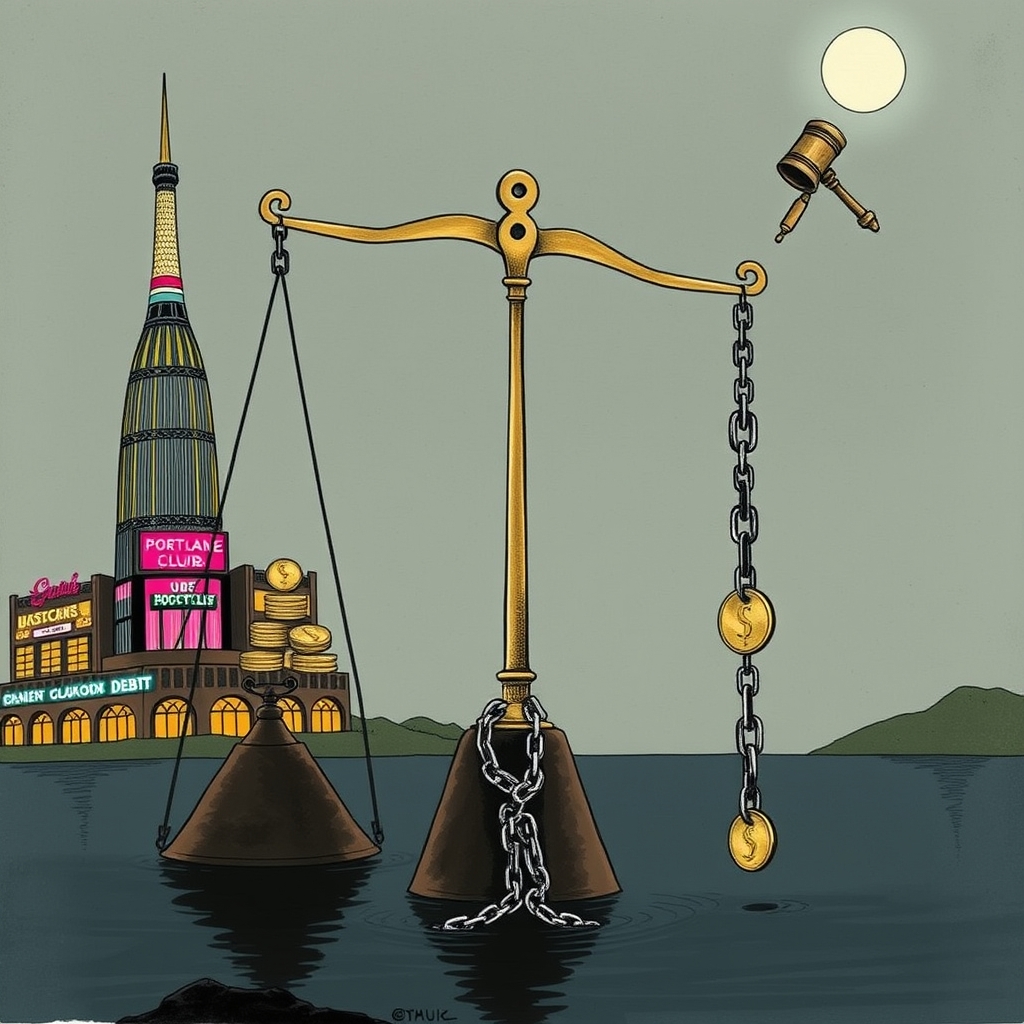
At the heart of the motive in this case was debt incurred through spending at host clubs. Host clubs have drawn growing scrutiny in recent years as a serious social problem: through "romance sales" that make customers develop feelings for a host, and through "tabs" (unpaid balances, or uri-kake) run up beyond a customer's means, the clubs make customers dependent on the establishment and their assigned host — then drive them into sex work to repay what they owe.
In response to such problems, the revised Businesses Affecting Public Morals Regulation Act (fuei-ho), which took effect on June 28, 2025, newly prohibited and made punishable the abusive collection of tabs and acts that pressure people into sex-industry work or adult-video appearances to repay debt. The amendment's central aim is to break the chain that exploits women through debt-driven pressure.
That said, in this case the victim was not a host or a club employee but an acquaintance of the defendant — a category to which the revised fuei-ho does not directly apply. Even so, the path by which the "entry point" of host-club spending generated heavy debt and hardship, ultimately leading a woman to a serious crime, is continuous with the very structure of dependency and hardship the regulation set out to address.
How far can romance, money, and "tabs" push a person? The problem of economic hardship surrounding the sex industry and host clubs poses, once again, a more fundamental challenge beyond arrests and legal reform: how to sever the chain of dependency and debt that lies upstream of it all.
This article is compiled from reporting by Yomiuri Telecasting (Yomiuri TV News), MBS News, ABC News, the Kyoto Shimbun, the Chunichi Shimbun, and others. Specific facts are based on those reports, and points that conflict or remain unconfirmed are noted with reservations in the text.