How the Panel Came to Be
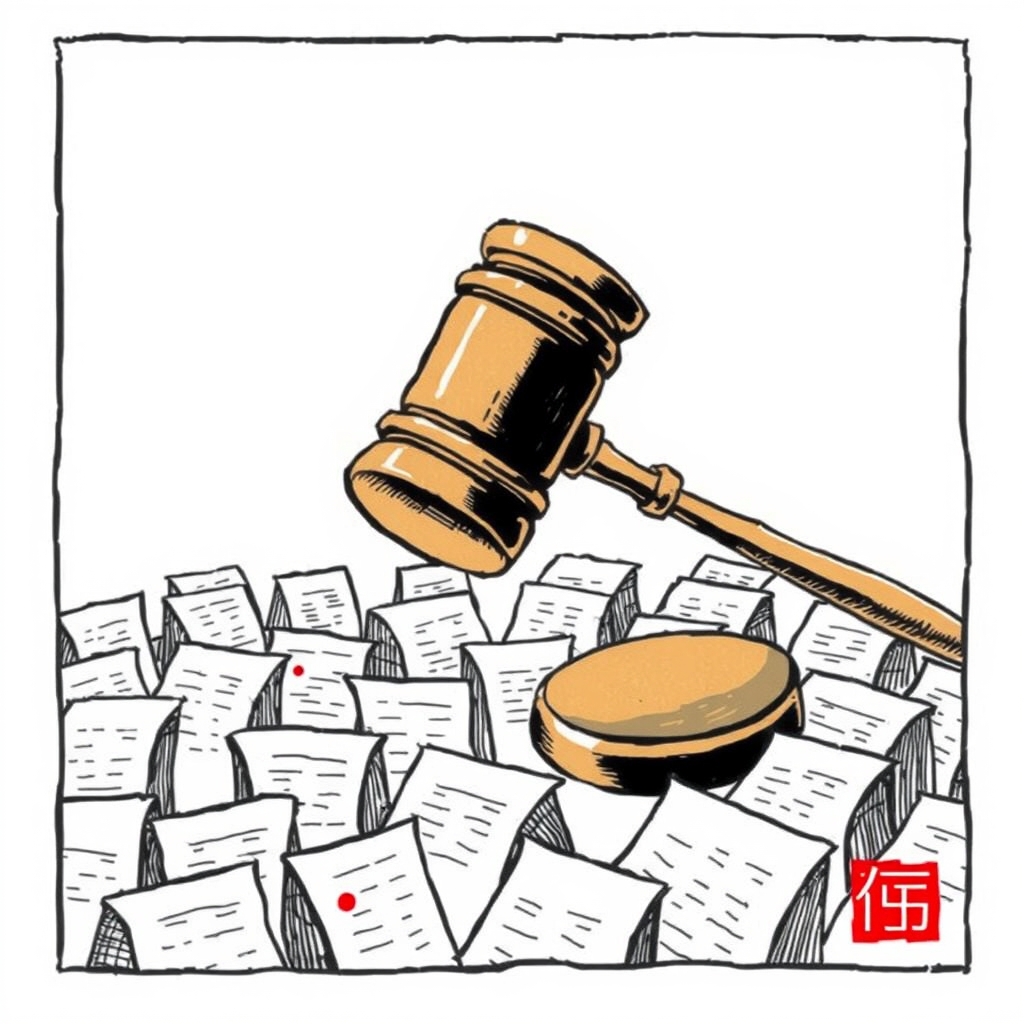
On March 24, 2026, the Ministry of Justice held the first meeting of its "Study Panel on the Appropriate Form of Regulation Concerning the Buying and Selling of Sex." The panel is chaired by Kayoko Kitagawa, a professor at Waseda University Graduate School. The Anti-Prostitution Act (baishun boshi-ho), enacted in 1956, has entered its first fundamental review in the 70 years since.
According to reports, the review stems from a sense that the framework of the current law no longer fits the times. Prime Minister Takaichi is said to have instructed officials to conduct "necessary deliberations," signaling the government's intent to reexamine how the activity is regulated.
The Core Issue: The Law's "Imbalance"
The current Anti-Prostitution Act punishes the "selling" side and those who facilitate it — through solicitation, the provision of premises, and similar acts — while imposing no penalty on the "buying" side. How to correct that asymmetry is the panel's central focus.
Some members have argued that "the need to punish solicitation by buyers should also be examined." In particular, there are calls that punishment is warranted in cases involving:
- Partners with intellectual or psychiatric disabilities
- Acts that exploit a "seller's vulnerability," such as economic hardship
At the same time, a competing view holds that "punishment of acts based on mutual consent between the parties should be approached cautiously," and no conclusion has been reached (per reporting by the Tokyo Shimbun and others).
The Definition of "Prostitution" Itself Is in Question
At the panel's fourth meeting, held on May 29, the scope of the definition — what should be regulated as "prostitution" — was also taken up. Members debated whether acts resembling intercourse (such as oral sex) should be included within the range of sexual acts the current law contemplates, but "views varied," consensus proved difficult, and the matter was carried over for further deliberation.
According to information made public by the Ministry of Justice, the panel has continued to meet into June, and the discussion remains ongoing. Reports suggest that legislative amendments could be aimed at the extraordinary Diet session in fall 2026 at the earliest, though nothing has been finalized.
The Foreign Models Under Review
The panel is also drawing on systems used in other countries. The main categories laid out in reporting are as follows.
| Model | Description | Adopting countries (per reporting) |
|---|---|---|
| Nordic model | Punishes only the "buying" side | Sweden, France, etc. |
| Dual punishment | Punishes both the selling and buying sides | United Kingdom, Belgium, etc. |
| Decriminalization model | The state does not intervene in consensual sex between adults | New Zealand (2003), some Australian states, etc. |
Of these, the decriminalization model treats sex workers as "workers with the right of self-determination" and handles them within the framework of ordinary labor law. New Zealand became the first country in the world to adopt it, in 2003; some observers credit it with improving trust between workers and police and making it easier to report violence, though cautionary views remain entrenched. Some have also noted that certain UN human rights bodies recommend decriminalization (per reporting by FRIDAY and others).
Background: A 70-Year-Old Law and the Gap With Reality
When the Anti-Prostitution Act was enacted in 1956, the sex industry centered on in-person, brick-and-mortar establishments. Today, however, forms that were unimaginable at the time have spread: delivery-health (out-call) services, person-to-person dealings over social media, and overseas-based live-streaming platforms.
In recent years, the problem of women being driven into sex work to cover "tabs" run up at predatory host clubs, as well as cases of minors made to work at venues such as "private massage parlors," have become social issues. Reports cite the worsening of such harms as one factor that pushed the current review forward.
At the same time, punishing the "buying" side and expanding the scope of regulation is inseparable from the impact on the safety and livelihoods of those involved. Tightening punishment can drive the trade underground and, conversely, make it harder for those involved to connect with support — a concern frequently raised in cross-country comparisons of these systems.
How should a 70-year-old framework that has punished only the "selling" side be redesigned — and to protect whom, and from what? The panel's conclusions could have significant consequences both for the sex industry on the ground and for the people who work in it.
This article is compiled from reporting by Jiji Press, the Tokyo Shimbun, the Okinawa Times, and FRIDAY (distributed via Yahoo! News), as well as information made public by the Ministry of Justice. Details of foreign systems and individual cases rely on those reports, and unresolved points are described without speculation.